Know your casement windows
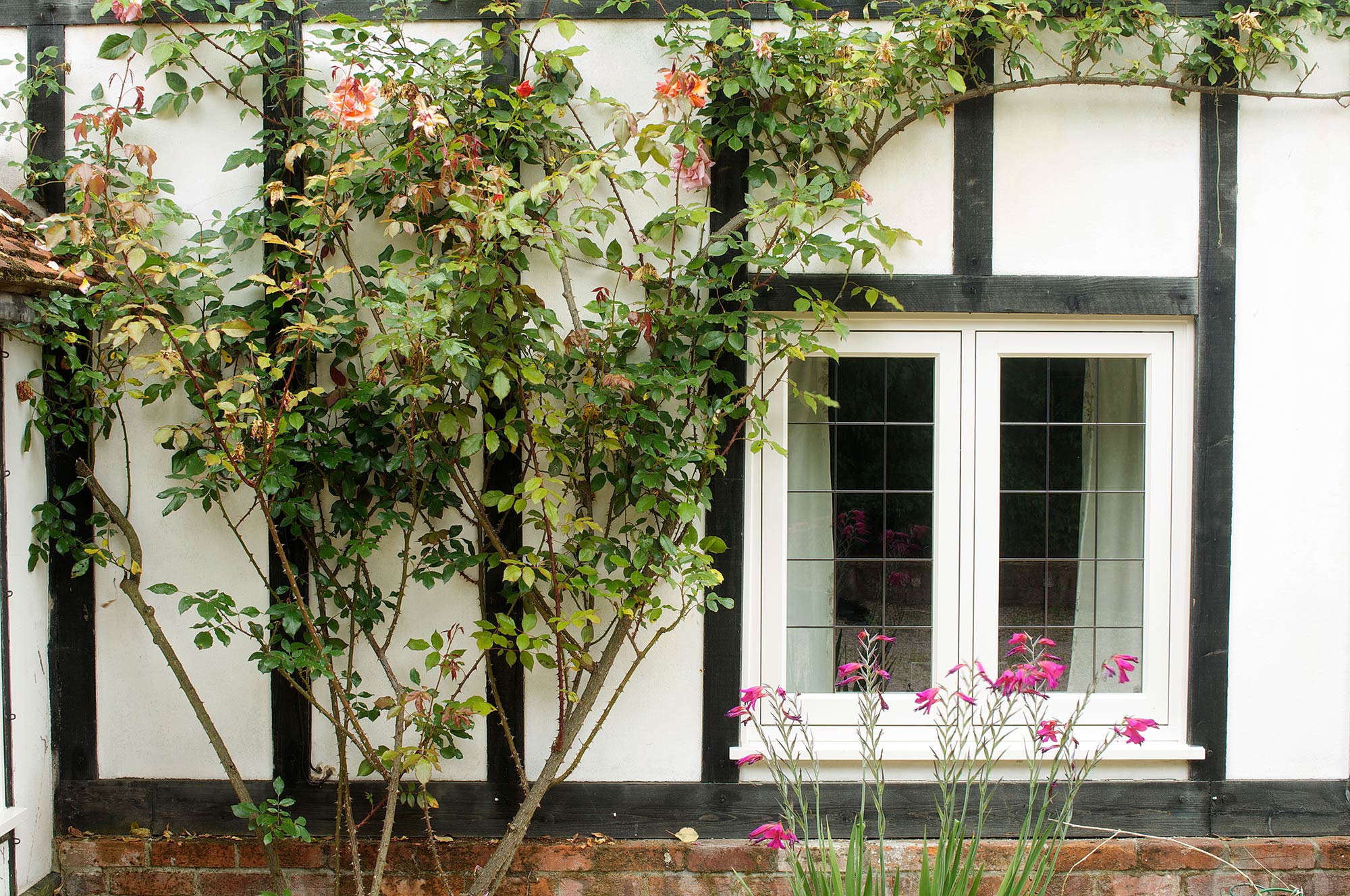
One of the most popular, and widely adopted window styles in the UK that date back to the Middle Ages, casement windows are highly adaptable, and suitable for almost every style of property you find across the country.
Different to a sash window, which slides up and down, a casement window is hinged, and opens outwards, available in multiple configurations and styles to suit different properties. They can be partnered with glazing bars, lead patterns or stained and etched glass designs to create different looks, making them highly adaptable and customisable.
Casement windows come in many forms, and so today we will look at those available to you as a homeowner. Certain forms of casement window are more suited to different styles and era of property, and so if you are looking for new windows for your home, this can serve as a handy guide and give you some pointers on what might work best for your home renovation.
Flush Casement Windows
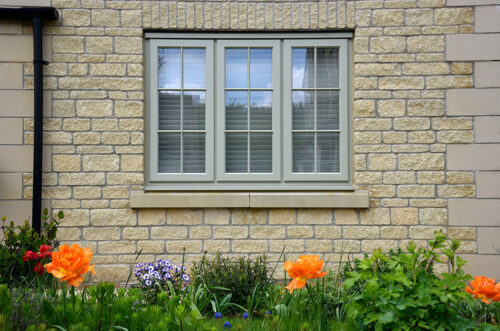
The key characteristic of a flush casement window is a window sash that closes completely flush against the frame, creating an elegant, smooth finish. This traditional style of casement was especially popular in mediaeval buildings, while being especially suited to cottages. Modern day manufacturing combined with high performance glass ensure a flush casement window is sealed completely, keeping the house safe, insulated and protected from the elements.
A flush casement will also have a fixed, central mullion between the sashes, while each sash can be opening, or fixed, depending on the homeowner’s preference. This universal, highly adaptable style of casement makes it an appropriate choice of casement window for almost any property style and age.
Lipped Casement Windows
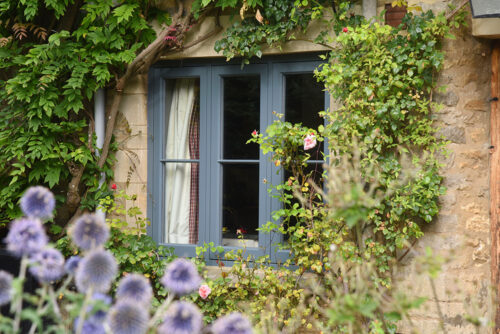
A lipped casement window, commonly referred to as stormproof windows feature a casement that slightly overlaps the face of the frame when closed. This is an extremely popular style of casement, and is the most widely adopted style in the UK.
The lip of the casement can provide additional protection from the elements in extreme climates. They were first introduced into the UK in the 1950s, and became especially popular during the rise of UPVC windows in the 1980s.
Cottage Casement Windows
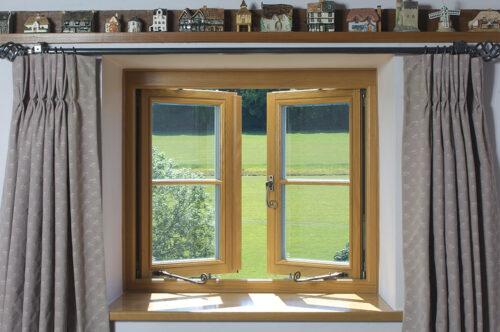
We note above how a flush casement window features a fixed, central mullion between the sashes. A key difference, and feature of a cottage casement window is the absence of this central mullion. Through the use of slimmer sections, our cottage casements have designed out the need for a central mullion, meaning that when both sashes are open, you have a fully open space and unobstructed view. If you live in an especially scenic location, or are very proud of your garden for example, a cottage casement window could be the perfect fit for your home.
Our Cottage casement windows also allow for approximately 10% more light into a building, which can be another factor to consider when choosing your window style and look. Cottage casement windows are becoming increasingly popular for these reasons, and are perfect for rural locations, country cottages, farmhouses and even new build properties!
Deco Casement Window
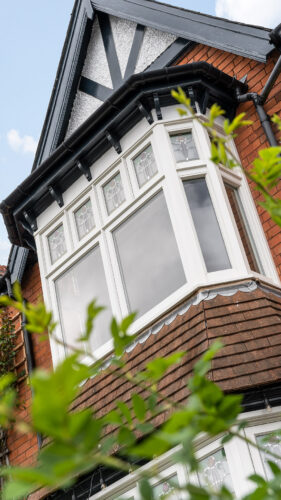
Ideal for properties built during the inter-war period of the 1930s, a deco casement window features specially designed sections that are added to the front face of the window, which give the appearance of the opening sashes appearing recessed within the window frame. This was a popular, and widely seen features in homes during this time, and these windows pay homage to this era of our country’s past, with modern timber technologies and high performing glass.
Due to the era a new deco casement window is inspired by, this does somewhat restrict the type of property this window would be suitable for. 1930s properties as mentioned above are ideal, and especially when partnered with our Polstead style, 1930s era front door. They can also be a very suitable solution for certain townhouses, depending on if the bay windows are suited to sash windows or not, and this is especially prevalent in cities such as Birmingham.
Tilt & Turn Windows
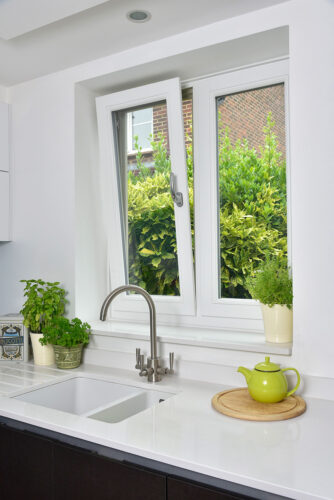
Moving into a different style of casement window, tilt & turn windows are hinged differently to a traditional casement window and open inwards. As the name suggests, the windows can tilt inwards, with an opening at the top, or turn, so the window opens from the side, into the room. This style of window is becoming increasingly popular within the UK and it is not uncommon to see them in newer, flats, and contemporary styled new build homes.
A trend that has also grown in popularity in recent years is for a full-length tilt and turn window that can also operate as a balcony door which are practical for Juliette balconies as they open inwards.
They are heavily inspired by, and can be seen more, across homes in Europe. As they open inwards however, depending on the room the window would be going to, this may not be suitable as they would require more space than a traditional, open outwards casement window.
Mock Sash Windows
A mock sash window, in very simple terms, is a top hinged casement window, split into two, equal size sections, where the lower section is fixed in place and recessed slightly compared to the upper sash, giving the appearance of a traditional sash window from a distance. Mock decorative sash horns are fitted to the external frame to increase the authenticity of the look of the window.
They act as an alternative to a traditional timber sash window, and can be more cost effective in comparison. Certain developers favour the mock sash window on new build developments nowadays as they can give the home more character and kerb appeal from the outside. These windows can work well on a home that would traditionally have sash windows, and may be preferred depending on budgets.
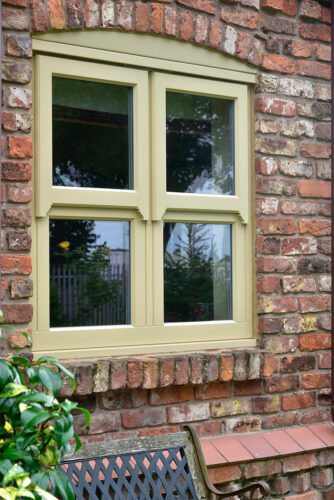

New timber casement windows for your home
The above outlines the main types of casement window available to homeowners in the UK. Certain styles, such as flush and lipped casements, are highly adaptable and suitable for almost any kind of home whereas others such as a tilt & turn, or deco casement window suit certain properties over others, and to avoid a jarring aesthetic, it is worth spending the time to see what style would be the best fit for your property, that would boost its kerb appeal while improving noise and energy insulation at the same time.
For Listed properties, our specialist Listed Buildings range includes a range of casement windows (even a single glazed option), which feature authentic true bars and a traditional putty glazed finish, ensuring your home has authentic, casement windows that also meet the requirements set out by your local planning authority.
Please find your local showroom by visiting our page here, and explore our range of casement windows here, to explore the various styles and what could work best for your home.